
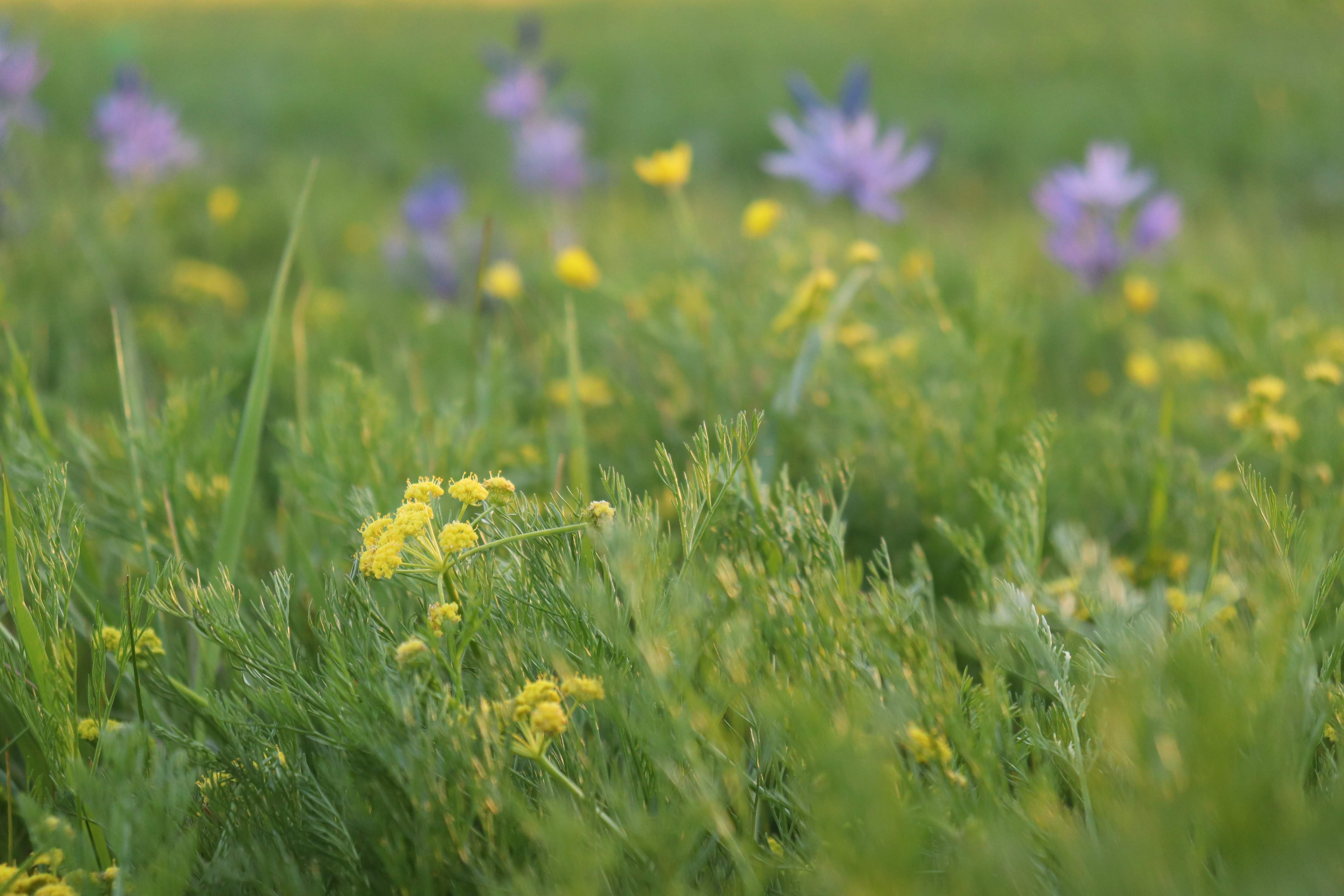
From March through June, splashes of yellow, pink, and purple appear across the meadows and prairies of the Willamette Valley. Spring brings wildflowers back to life, but fire may not be the first thing that comes to mind in these soft, colorful places.
In fact, intentional, low-intensity fire has long been—and still is—essential for keeping prairies, oak savannas, and oak woodlands healthy. Without fire to clear the land, these open spaces become crowded. Over time, wildflowers are shaded out and begin to disappear.
For thousands of years, Kalapuya people used fire to care for this land. They set careful, low-intensity burns to support food sources and maintain healthy ecosystems. These regular burns shaped the landscape, and plants and animals adapted to this cycle of renewal.
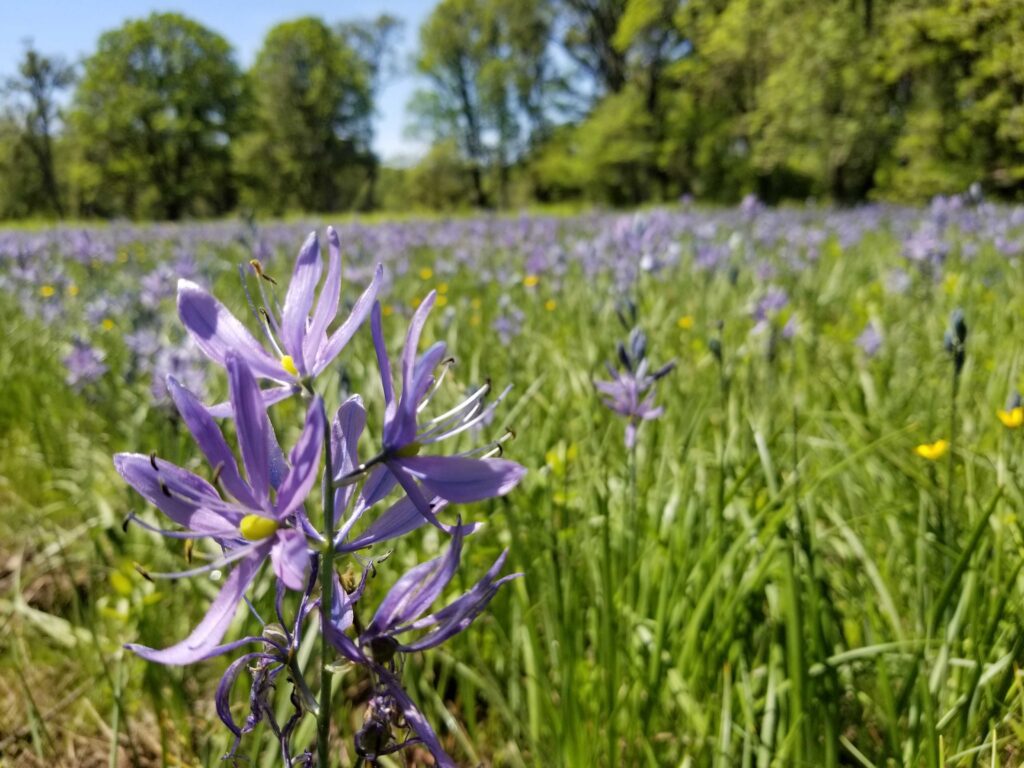
Since European-American settlement in the mid-1800s—and the forced removal of Indigenous burning practices—these systems have changed dramatically. Today, less than 3% of the Willamette Valley’s original 1.5 million acres of prairie and oak savanna remain.
Without regular fire, trees and woody shrubs have moved into open areas. Many of these species are not native. They crowd out Oregon white oaks and cover the ground with thick layers of debris and dead grass. This buildup smothers wildflowers. It can also increase pests and diseases and make the land more vulnerable to severe wildfires.
Today, Tribes, agencies, and nonprofits are working together to bring prescribed fire back to the landscape. This work centers Indigenous leadership and knowledge. Planned burns in spring and fall help restore balance. They limit the spread of invasive plants and reduce the risk of larger, more destructive fires.
Fire also returns nutrients to the soil. It helps seeds spread and can even trigger germination in some native plants. Oregon white oak and coast live oak are well adapted to fire. They can survive burns and often grow stronger afterward.
While forests provide shade and moisture, open prairies and grasslands are just as important. Their deep root systems store carbon, water, and nutrients. They also help filter water and support clean streams. These fire-adapted landscapes provide habitat for grazers, birds, and many other species. Wildflowers, in particular, support pollinators that are essential to our food systems.
As you enjoy wildflower prairies this spring, take a moment to appreciate the role of fire. These small, steady burns help make these blooms possible. By supporting prescribed fire, we can help restore these landscapes and ensure wildflowers continue to thrive.
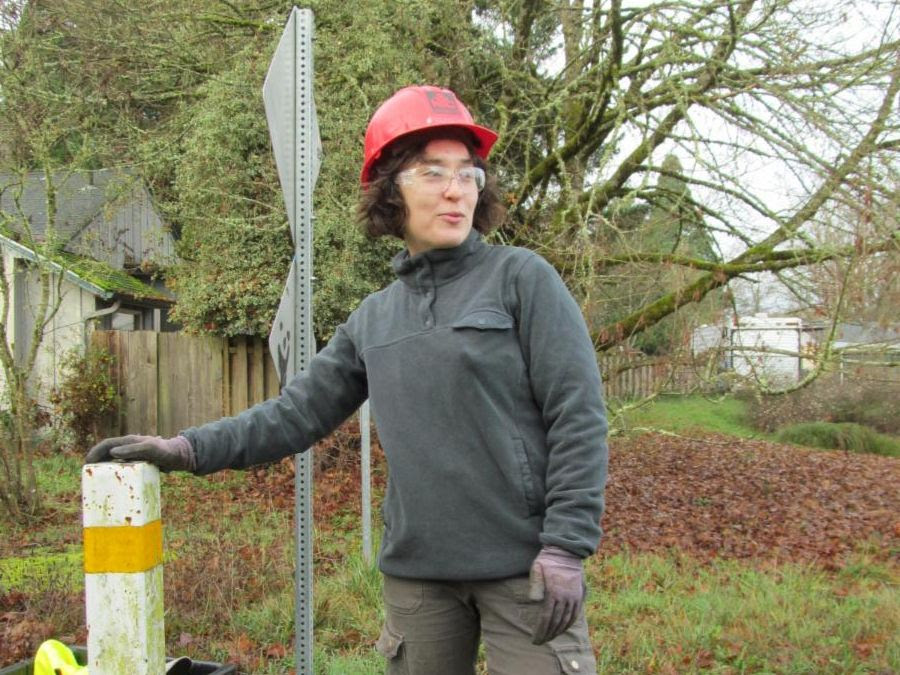
This guest field notes contribution was written by Maya Heikkinen. Maya served as an AmeriCorps member with the Northwest Youth Corps, supporting conservation action on local lands and rivers. Maya and her team have been working to help care for special places, including Coyote Spencer Wetlands, where prescribed fire activities have resulted in abundant wildflower prairies this spring.