Almost all of Oregon’s coastal communities face water insecurity. Regionally steep terrain and shallow soils limit groundwater storage, so most residents get their water from in-stream intakes. These intakes are usually sufficient, but when populations triple due to summer tourism, the systems become strained.
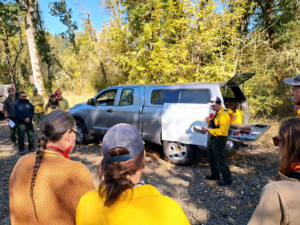
Since 2020, we’ve been working with a broad coalition of partners to identify solutions to the coast’s drinking water challenges. Supported by a new grant program through the Oregon Department of Environmental Quality (DEQ), leaders across Oregon’s central coast are developing and implementing Drinking Water Protection Plans that identify threats to drinking water and opportunities to address them. Strategies include acquiring land in watersheds the public relies on, developing cooperative land management models, and investing in infrastructure to improve water storage and movement between communities.

These efforts are being uplifted across Oregon’s coastal communities, with Land Trusts at the table as transaction specialists who can support communities in acquiring land or protecting it through conservation easements. Central Coast Conservation Program Manager Margaret Treadwell explains that to improve water quality and storage capacity, forests in drinking watersheds must be safeguarded and allowed to mature through their natural cycles. “To put it simply, a healthy forest is a natural reservoir.”
We are honored to work alongside a diverse range of partners to tackle one of our region’s most pressing threats. Thank you to all of our supporters who invest in this important work with your annual memberships. Together, we can safeguard clean drinking water for Oregonians today and for generations to come.

Working together for western Oregon
Every conservation success starts with people working together. From the McKenzie River to Oregon’s coast, collaborative partnerships are helping communities protect drinking water, restore habitat, and build a more resilient future for western Oregon.

Ringtails: The Elusive Acrobats of Oregon
What looked like a “lost lemur” in Springfield turned out to be one of Oregon’s most elusive native mammals. Meet the ringtail, a remarkable nighttime acrobat with incredible climbing abilities, a mysterious lifestyle, and a surprising connection to nearby conservation lands.

The River Returns to haich ikt’at’uu
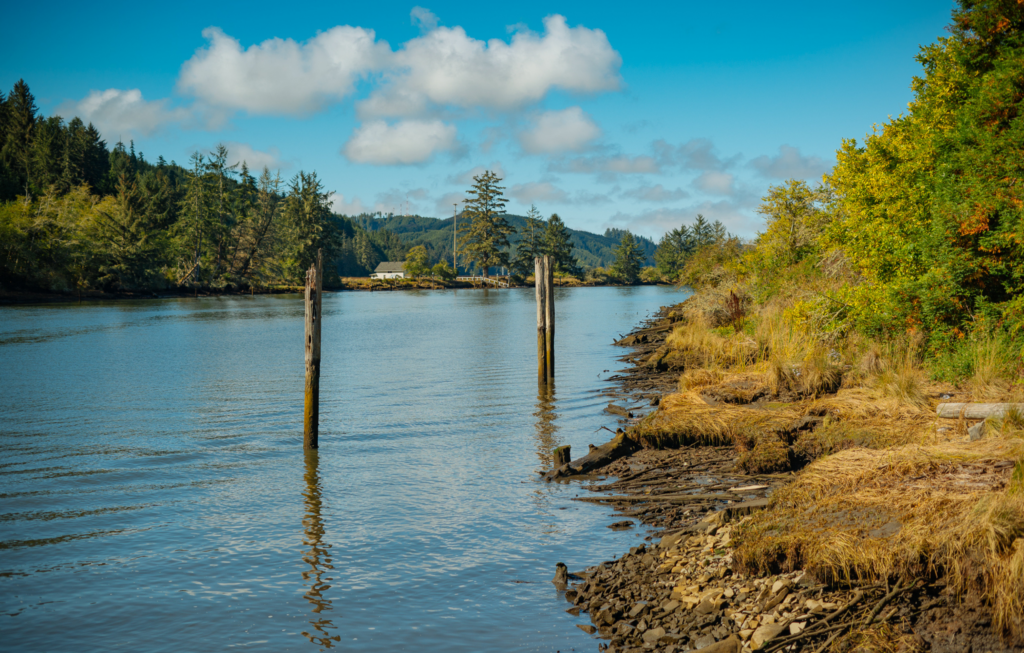
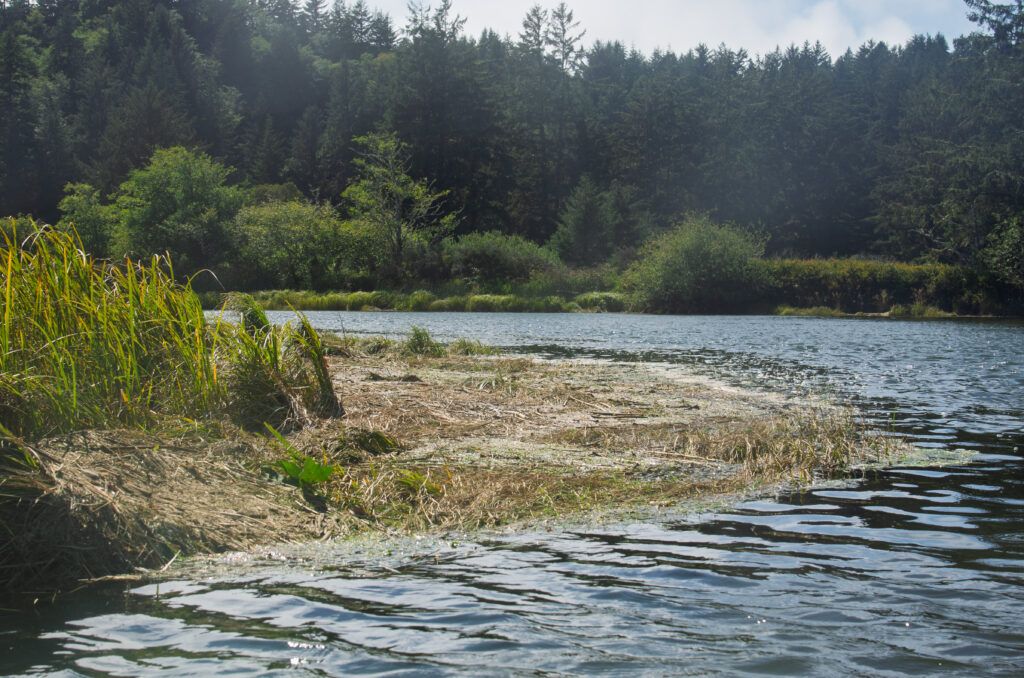
After 15 years of planning and development, a major conservation project near the town of Florence has achieved its goal: connecting a large swath of restored farmland to the Oregon Coast. The Siuslaw Estuary is a 217-acre expanse that’s expected to accommodate the return of salmon, lamprey, shorebirds, and native plants as it transforms with the tides.